When homeowners or developers think about value, they often focus first on location, square footage, or finishes. But there’s another crucial driver of long‑term return on investment that’s frequently overlooked: smart interior design — the thoughtful integration of interior space planning, architecture, and functional upgrades that elevate how a home performs as well as how it feels.
Whether you’re investing in a custom build, a renovation, or preparing a property for sale, intelligent design choices don’t just enhance daily life; they also reduce risk, cut long‑term costs, and increase property value.
What “Smart Interior Design” Really Means
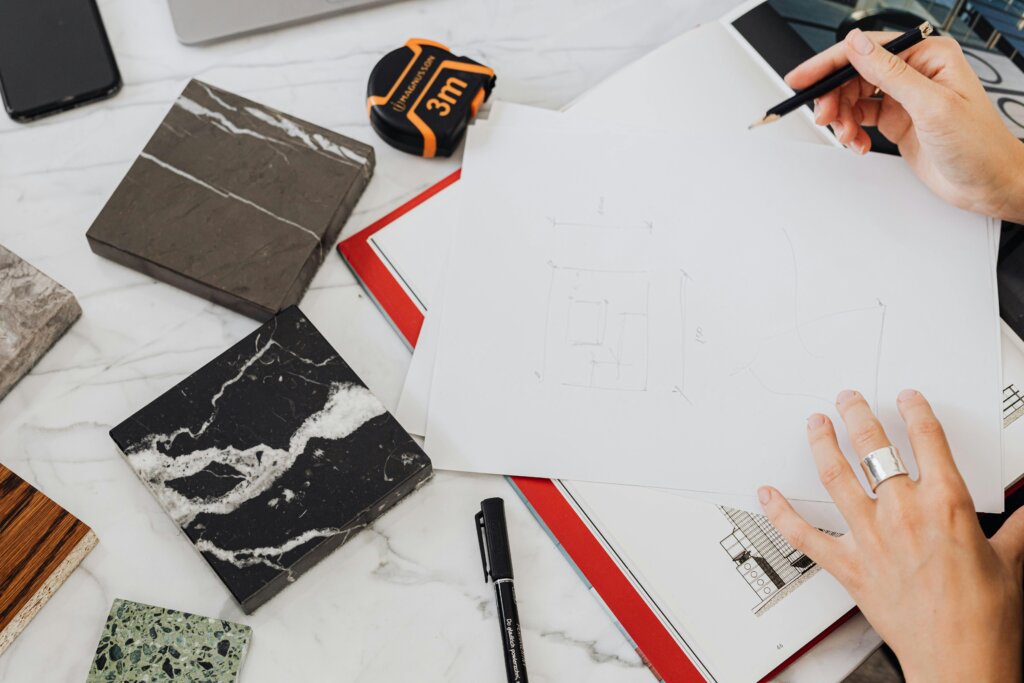
Smart interior design goes far beyond décor or superficial styling. It is the art and science of creating spaces that are functional, logical, and beautifully coherent. Smart design incorporates elements such as:
- Intentional space planning and circulation
- Architectural upgrades that maximize usable space
- Material selection for durability and longevity
- Efficient lighting and natural light optimization
- Integrated interior architecture that supports how people live
Unlike interior decorating, which focuses on aesthetics alone, smart interior design looks at form, function, and performance together, ensuring that every decision enhances how a space works and endures over time.

How Smart Design Decisions Translate to Financial Value
1. Increased Property Value and Marketability
Professionally planned interiors contribute directly to higher property value and appeal. Homes with thoughtfully designed interiors can sell for significantly more than similar properties without strategic design planning. Buyers consistently pay premiums for cohesive layouts, functional improvements, and quality finishes that feel intentional and modern.
2. Avoiding Costly Mistakes
One of the most underrated aspects of smart design is cost avoidance. Poor planning, such as ill‑conceived layouts, incompatible finishes, or inefficient circulation, can lead to expensive mid‑project changes. Expert design minimizes these risks by anticipating how spaces will function, how materials will wear, and how systems will integrate over time.
3. Enhanced Function and Daily Experience
Well‑executed design isn’t just about resale value; it’s about daily performance. Strategic layout decisions make spaces more adaptable, livable, and future‑ready, meaning fewer planned renovations down the road. For example:
- Efficient circulation reduces wasted space
- Natural light and lighting plans enhance comfort (and well‑being)
- Built‑in storage and multifunctional rooms support flexible lifestyles
These kinds of upgrades elevate quality of life while also making a home more attractive when it comes time to sell.

4. Reduced Operational Costs
Design decisions can also influence ongoing costs. Thoughtful architectural upgrades, such as orientation for natural light, high‑performance materials, and energy‑efficient systems, lower utility bills and reduce maintenance costs over time. Homes designed with sustainability in mind can reduce energy consumption by 20–30%, offering meaningful long‑term savings beyond aesthetics.
Eco-Friendly Design Solutions
Many of the decisions that drive financial return are the same ones that support longevity and eco-friendliness. When layouts are designed to adapt over time, materials are selected for durability, and systems are planned thoughtfully, the result is a home that performs better — not just financially, but holistically.
Eco-friendly design choices that reduce waste, improve energy efficiency, and limit the need for future renovations protect both your investment and the environment. Designing for longevity means fewer tear‑outs, fewer replacements, and a home that continues to function well as needs change.
In other words, eco-friendly design isn’t a separate goal; it’s often the natural outcome of making smarter, more intentional design decisions from the start.
Let’s Talk About the Value of Thoughtful Design
If you’re planning a renovation, building a custom home, or upgrading an existing space, the design phase isn’t the place to cut corners. It’s where real value begins.
SP Designs offers integrated architectural and interior design services that ensure every decision supports function, beauty, and longevity. Let’s make your investment work smarter — for today and for the years ahead. Browse our interior design work, or reach out today to get started on your designs.
Frequently Asked Questions About Architectural and Interior Design
What is smart interior design?
Smart interior design combines functional space planning, architectural upgrades, and thoughtful layout decisions to create spaces that work efficiently and feel cohesive — not just beautiful.
Does design really increase property value?
Yes. Properties with professional design planning often sell for more than similar homes without such investment, especially when upgrades focus on high‑impact areas like kitchens, bathrooms, and overall layout improvements.
How does space planning affect ROI?
Effective space planning maximizes usable square footage, improves circulation, and increases buyer appeal, leading to stronger offers and faster sales.
Is smart interior design worth it if I’m not selling soon?
Absolutely. Smart design improves daily functionality and comfort, reducing the need for future renovations and saving money over the long term.
What kinds of design decisions offer the highest ROI?
High‑impact areas include kitchen and bathroom upgrades, lighting optimization, and architectural decisions that improve flow and usability — all of which contribute to higher perceived and actual property value.
Can smart interior design help with energy efficiency?
Yes. Layouts that optimize natural light, materials with low thermal transfer, and efficient lighting plans can all contribute to lower energy bills over time.
How does lighting factor into smart design?
Strategically placed natural and artificial lighting improves ambiance, highlights architectural features, and reduces the need for excess fixtures — all of which support both form and function.
Is smart interior design only for large homes or luxury projects?
Not at all. The principles of smart design, like improving function, reducing waste, and maximizing value, apply to homes of every size and scope.
Do I need to completely remodel to benefit from smart interior design?
No. Even targeted upgrades, like reworking a kitchen layout or improving flow in a primary suite, can dramatically improve performance and value without requiring a full remodel.