By SP Design Firm | Colorado Springs, Colorado
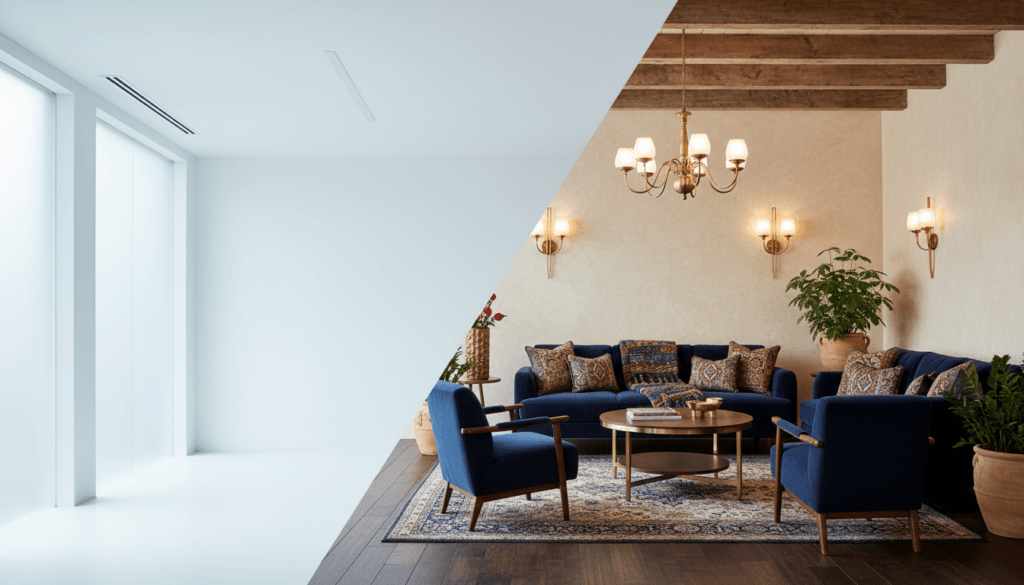
For nearly a decade, the design world ran on a single visual currency: white. Bright, clean, and endlessly photogenic, stark white interiors became the default language of modern architecture. Open shelving with perfectly curated objects. Concrete floors. Minimal ornamentation. Spaces that looked immaculate in a grid and felt cold in person. It was the era of the Instagram aesthetic, and it changed everything — including what clients thought they wanted.
But something is shifting. And it is shifting fast.
The Rise and Reign of the All-White Interior
To understand where we are going, it helps us to understand where we have been. The minimalist movement that swept through architecture and interior design in the 2010s was not born from nothing. It was a reaction to the excesses of the early 2000s, those ornate McMansions loaded with Tuscan columns, faux finishes, and decorative ironwork that aged poorly in every sense of the word. Clean lines felt like a breath of fresh air. White felt honest.
Social media accelerated everything. A beautifully photographed white kitchen with subway tile and floating shelves could rack up thousands of saves overnight. Designers learned quickly that what photographed well sold well. Clients began arriving to consultations with phones full of inspiration images that all looked remarkably similar, an endless scroll of bright, airy, and neutral. For a while, everyone seemed to agree this was the pinnacle of good taste.
The problem? A lot of those spaces were never really designed to be lived in. They were designed to be looked at.
The Backlash Builds
Around 2022 and into 2023, a quieter conversation began emerging in design circles, in trade publications, at architecture conferences, and inside studios like ours. The question being asked, sometimes in whispers and sometimes very loudly, was: Are we actually serving our clients, or are we designing for an algorithm?
The answers were uncomfortable.
Clients who had embraced minimalist, all-white interiors a few years prior were calling back. The spaces did not feel like home. The white walls showed every scuff and fingerprint. The hard surfaces created acoustic nightmares for families with children. The lack of ornamentation made rooms feel anonymous, interchangeable, indistinguishable from a hotel lobby or a tech company’s open floor plan.
Meanwhile, a new vocabulary was quietly gaining ground. Words like warmth, texture, patina, and story started appearing more frequently in design briefs. Clients were not just asking for something different visually. They were asking for something that felt grounded, rooted, and real.
Enter Modern Heritage and the Maximalist Wave
The design world does not pivot quietly. When a trend shifts, it tends to swing toward the opposite end of the spectrum before finding its balance. What we are witnessing now is exactly that kind of pendulum arc.
“Modern heritage” has become something of a rallying phrase for architects and interior designers who are blending traditional craft, historical reference, and regional character with contemporary spatial thinking. It is not nostalgia. It is not reproduction. It is a genuine attempt to reconnect spaces with the culture, climate, and landscape of the place they inhabit.
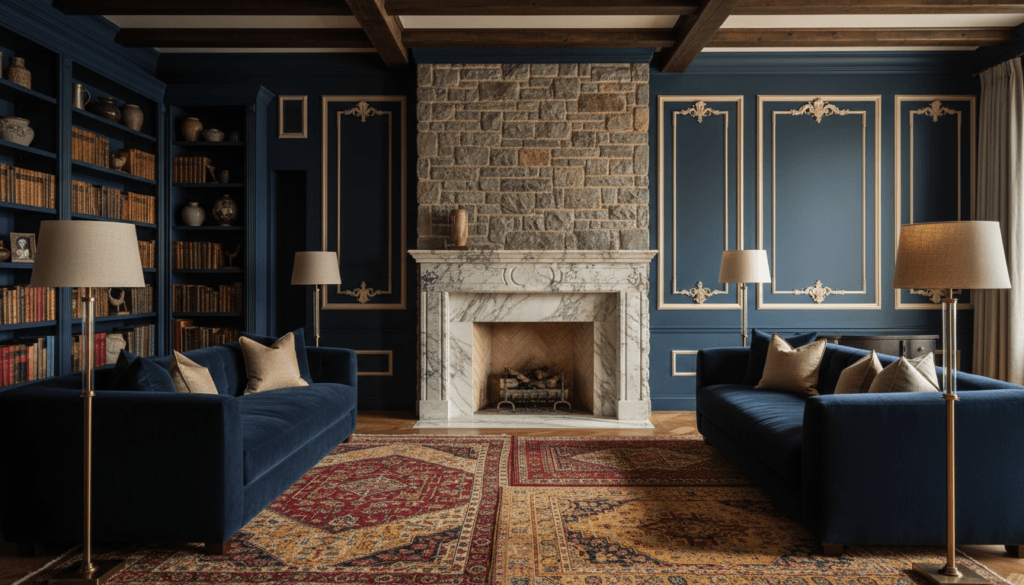
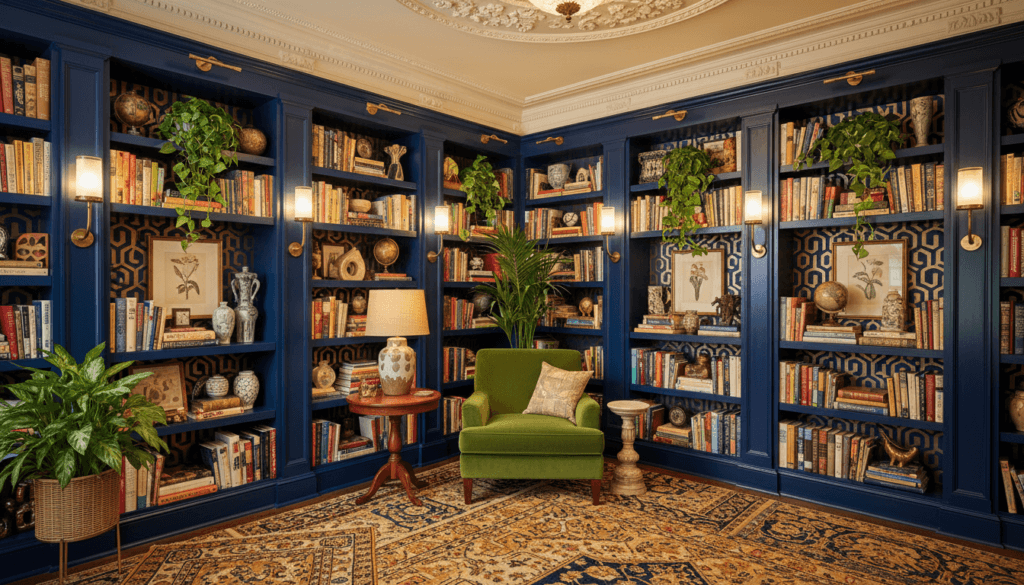
At the same time, maximalism has made a confident return. More pattern, more color, more layering, more of the tactile richness that minimalism stripped away in the name of clarity. Dark painted walls are reappearing. Decorative moldings are being specified again. Bookshelves are being filled, not styled into submission.
Architects are divided on this. Some welcome the shift as a necessary correction, a return to spaces that prioritize human experience over visual performance. Others worry about whiplash, about swinging from one extreme to another without ever asking deeper questions about what enduring design actually means. Both camps make fair points.
The Material Revolution: Local, Tactile, and Built to Age
Perhaps the most meaningful part of this aesthetic rebellion is not about ornamentation at all. It is about materials.
For years, mass production and cost efficiency pushed design toward surfaces that were smooth, uniform, and replaceable. Quartz countertops engineered to look like marble. Luxury vinyl plank that mimics wood without the grain variation. Finishes calibrated to stay pristine and never change.
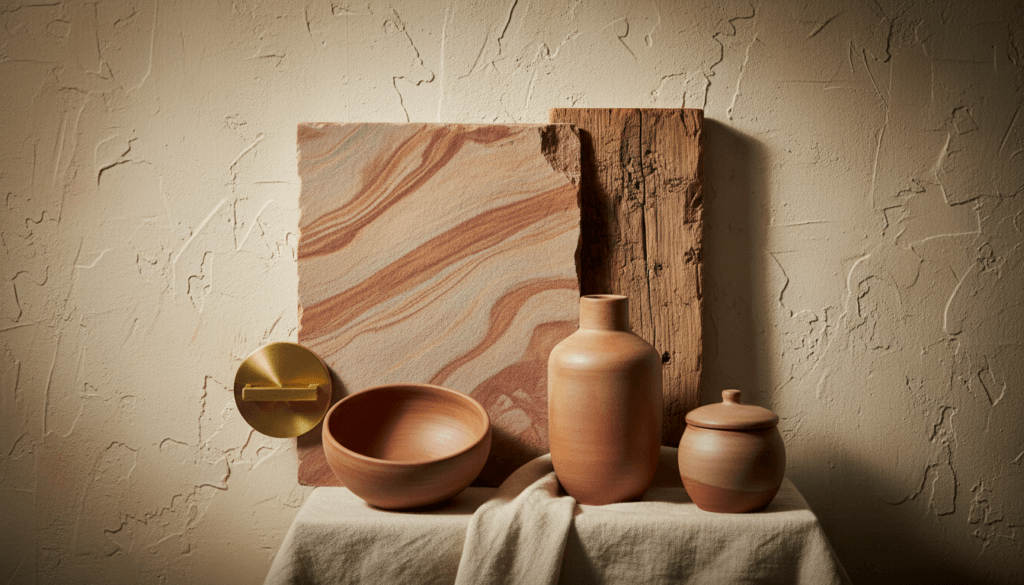
Clients are increasingly pushing back on this. They are asking for materials that tell a story over time rather than resist one. Natural stone with visible veining and variation. Reclaimed wood with a history embedded in its surface. Plaster walls that breathe and develop subtle texture as they cure. Brick, terra cotta, rammed earth, and hand-thrown ceramics. Materials that are rooted in region and respond to climate.
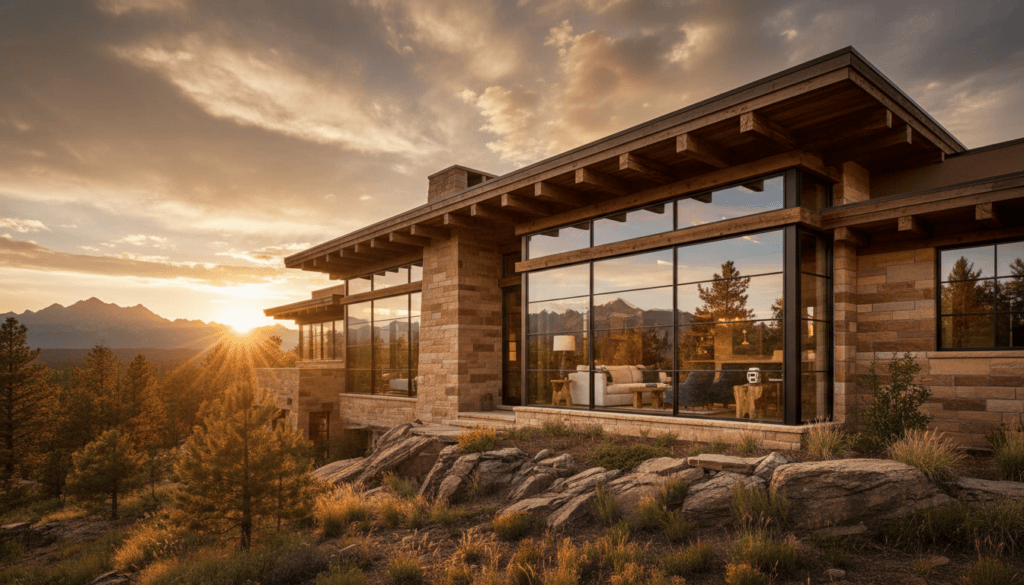
Here in Colorado, this conversation resonates deeply. The Front Range has its own material story: warm sandstone, weathered timber, the rugged texture of high desert terrain. Designing with locally sourced materials is not just an aesthetic choice. It is an ecological one, a cultural one, and ultimately a more honest one. A building that belongs to its place will always feel more alive than one that could have been dropped anywhere.
Where SP Design Firm Stands
We have watched this shift with genuine enthusiasm, not because maximalism or heritage styling are inherently superior to minimalism, but because the underlying question being asked is the right one. What does this space need to feel like for the people who will actually live and work inside it?
At SP Design Firm, our approach has never been about following a trend. It has been about listening carefully to our clients, understanding how they move through a space, what textures they gravitate toward, what light they need, what history they want their home to hold. Sometimes that points toward restraint and clarity. Often, it points toward warmth, layering, and materials that will only grow more beautiful with time.
The rejection of stark white is not really about color. It is about a recalibration of values. Clients are asking for spaces that feel intentional rather than curated, personal rather than performative, and enduring rather than momentarily trendy. That is a conversation we are always glad to be part of.
The Takeaway for Homeowners and Clients
If you have been feeling like your space does not quite feel like you, you are not alone. The aesthetic that dominated the last decade was aspirational in a particular way, one that prioritized the appearance of calm over the experience of it. More and more people are realizing there is a difference.
The good news is that the design world is catching up. Architects and interior designers are having richer conversations about material authenticity, regional identity, and the kind of beauty that deepens rather than fades. You no longer have to choose between modern and warm. Between sophisticated and layered. Between contemporary and rooted.
The best spaces have always been all of those things at once.
SP Design Firm is an architecture and interior design studio based in Colorado Springs, Colorado, specializing in spaces that are as thoughtful as they are beautiful. To start a conversation about your next project, reach out to our team.