SP Design Firm is an architecture and interior design studio based in Colorado Springs, Colorado, specializing in estate-style residential design.Colorado is a place where light takes on a life of its own.
From the sharp, clear mornings that flood a great room through floor-to-ceiling windows to the golden-hour glow settling over the Rockies just before dinner, the way light moves through a Colorado home is something worth designing for, not around.
And yet, lighting is one of the most overlooked elements in residential design. Homeowners spend months selecting the right stone, the perfect millwork, the ideal flooring finish — then treat lighting as a final checkbox rather than a design layer in its own right.
When lighting is placed with intention, it doesn’t just help you see a room. It shapes how the room feels. Here are three ways thoughtful lighting placement can transform your home.
1. It Creates Layers and Depth
A single overhead fixture — even a beautiful one — can make a room feel flat. The fix isn’t a more dramatic chandelier. It’s layers.
Layered lighting combines three types of illumination: ambient, task, and accent. Each serves a different purpose, and together they create dimension that a room simply cannot achieve any other way.
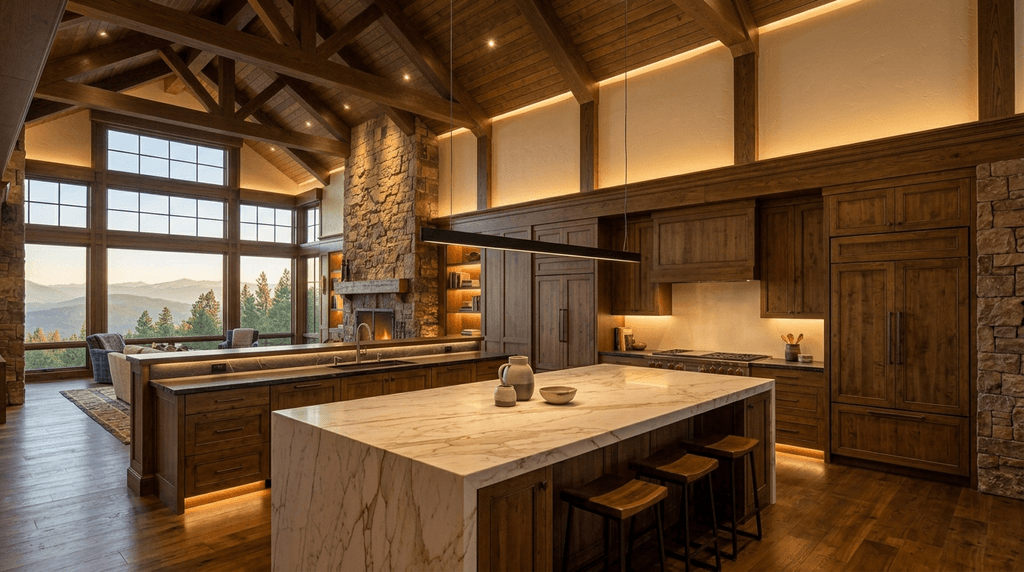
In a Colorado estate home, this might look like recessed lighting that softly fills a great room, pendants anchored low over a kitchen island, and sconces that warm the walls of a staircase or hallway. Each fixture has a role. Each contributes to the atmosphere without calling too much attention to itself.
The result is a home that feels considered — where the light wraps around you rather than just lands on you.
2. It Draws Attention to Architectural Details
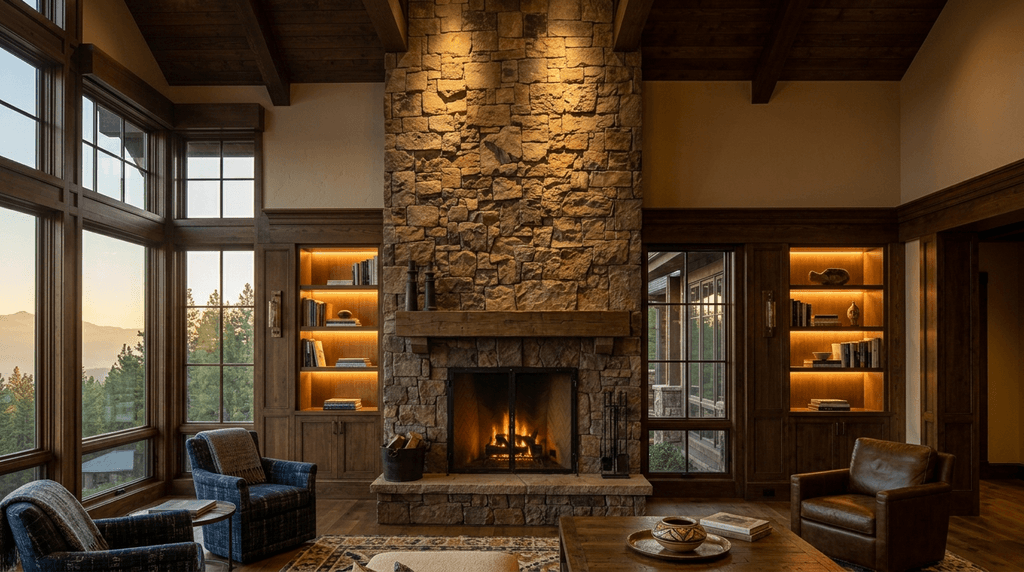
Colorado homes are often defined by the features that make them feel rooted in this landscape: vaulted ceilings, exposed stone, custom millwork, and dramatic sightlines. Lighting can quietly direct your eye toward all of it.
Uplighting along a stone fireplace wall emphasizes height and texture. Concealed lighting beneath cabinetry or inside a built-in niche adds depth and definition without competing with the design itself. A wash of light across a wood beam ceiling draws the eye up and reinforces the scale of the space.
Think of it this way: good architectural lighting doesn’t announce itself. It simply makes you notice the right things.
3. It Changes How a Space Feels Throughout the Day
Colorado light shifts dramatically from morning to evening, season to season. A well-designed lighting plan works with that rhythm rather than fighting it.
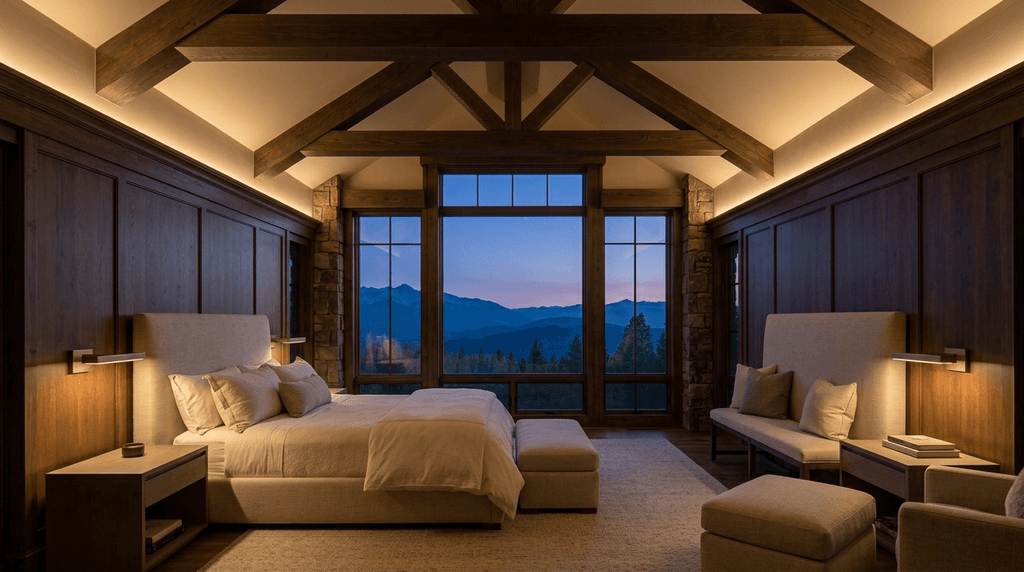
In a primary suite, soft layered lighting creates a calm, unhurried atmosphere at the end of the day. In a kitchen, focused task lighting makes morning routines and evening cooking feel effortless. In a living room with mountain views, dimmable fixtures let you pull the focus inward once the sun goes down and the space shifts from view-centered to conversation-centered.
Dimmers and multiple lighting zones are what make this possible. They give a home the flexibility to feel bright and energizing in the morning and warm and intimate by evening — all without changing a single piece of furniture.
Thoughtful Design Is in the Details
The homes that stay with you are rarely defined by one dramatic statement. They’re defined by the accumulation of details that feel effortless but were carefully thought through from the beginning.
Lighting is one of those details. When it’s planned as part of the design rather than added at the end, it becomes invisible in the best possible way — present in how the space feels without demanding to be noticed.
If you’re building or renovating and want lighting that works as hard as every other element in your home, we’d love to talk through the possibilities with you.